You Gotta Taste This: Hidden Gems of Cusco’s Local Crafts and Flavors
Nestled in the Andes, Cusco isn’t just a gateway to Machu Picchu—it’s a living museum of Incan heritage and vibrant culture. As I wandered its cobblestone streets, I was drawn not only by ancient ruins but by something more personal: the city’s specialty products. From handwoven textiles to exotic spices, every corner offers a taste of authenticity. This is more than shopping—it’s connection, craftsmanship, and story all woven into one. In a world where travel often feels rushed and commercialized, Cusco invites you to slow down, engage your senses, and discover the soul of a place through its crafts and flavors. Here, tradition isn’t preserved behind glass—it’s lived, worn, shared, and savored every single day.
Arrival in Cusco: First Impressions That Surprise
Descending into Cusco, the altitude hits fast—but so does the beauty. The city unfolds like a painted tapestry, with terracotta rooftops cascading down steep mountain slopes and colonial churches rising above Incan stone foundations. At nearly 11,000 feet above sea level, the air is thin and crisp, carrying whispers of centuries past. Many travelers arrive with Machu Picchu at the forefront of their minds, and while the ancient citadel is undoubtedly breathtaking, Cusco itself holds quieter, deeper wonders. The true magic often reveals itself not in grand monuments, but in the everyday artistry embedded in the city’s rhythm.
Initial expectations are frequently upended upon arrival. Visitors anticipate ruins and tour groups, but few are prepared for the richness of local craftsmanship that pulses through the city’s veins. The blend of Spanish colonial architecture and indigenous Andean culture creates a unique aesthetic—baroque facades adorned with Quechua symbols, doorways framed by trapezoidal Incan stonework. This fusion isn’t merely architectural; it’s cultural, spiritual, and artistic. It sets the stage for a journey that transcends sightseeing and becomes a sensory immersion.
What makes Cusco so compelling is how seamlessly the past and present coexist. A woman in traditional dress may pass a street musician playing a Spanish guitar, while a local artist sells paintings that merge Catholic iconography with Andean cosmology. This harmony invites travelers to look beyond the surface, to explore not just what Cusco looks like, but what it feels like. And that feeling—of reverence, resilience, and creativity—begins to unfold the moment you step into its historic center and allow yourself to be guided by curiosity rather than itinerary.
The Heartbeat of the City: San Pedro Market Uncovered
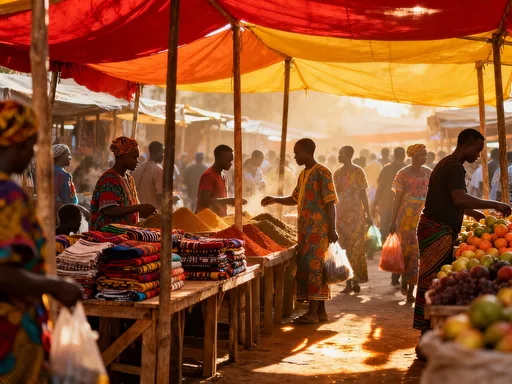
If Cusco has a pulse, it beats strongest at the San Pedro Market. More than just a place to buy food, this sprawling indoor-outdoor bazaar is a living archive of Andean life. From dawn until late afternoon, the market hums with activity—vendors call out prices, mothers bargain for vegetables, tourists wander wide-eyed through aisles bursting with color and scent. The air is thick with the earthy aroma of tubers, the tang of fresh cheese, and the sweetness of ripe fruit. Every step reveals something new: baskets of quinoa, jars of medicinal herbs, or piles of chili peppers in shades of red, orange, and deep purple.
Among the most striking displays are the native potatoes—over 3,000 varieties grow in the Andes, and dozens can be found at San Pedro. These aren’t the uniform russets or Yukon golds familiar in supermarkets; they come in knobby shapes, speckled skins, and vibrant hues. A single basket might hold purple, yellow, and even black potatoes, each with its own flavor and culinary use. Nearby, vendors sell giant ears of purple corn, the key ingredient in chicha morada, a sweet, spiced drink that’s both refreshing and deeply rooted in local tradition.
But San Pedro is not only about food. Alongside the produce stalls are artisans selling handmade goods that reflect the region’s rich cultural tapestry. Alpaca wool scarves in bold geometric patterns drape over wooden racks, their softness a testament to centuries of textile mastery. Jewelry made from tagua nut—often called “vegetable ivory”—offers an eco-friendly alternative to traditional materials, carved into intricate beads and pendants. Unlike the mass-produced souvenirs found near tourist hotspots, these items are made with intention, often by the vendors themselves or members of their communities.
Shopping here is an act of participation. When you buy a bag of dried maca root or a hand-knitted hat, you’re not just acquiring a product—you’re engaging with a system of knowledge, labor, and cultural continuity. The vendors, many of whom have spent decades in the market, are often happy to share stories about their goods, explaining how certain herbs are used for digestion or how alpaca wool is graded by fineness. In these small exchanges, the market becomes more than a commercial space—it transforms into a classroom, a community center, and a celebration of Andean resilience.
From Fiber to Fabric: The Story Behind Andean Textiles
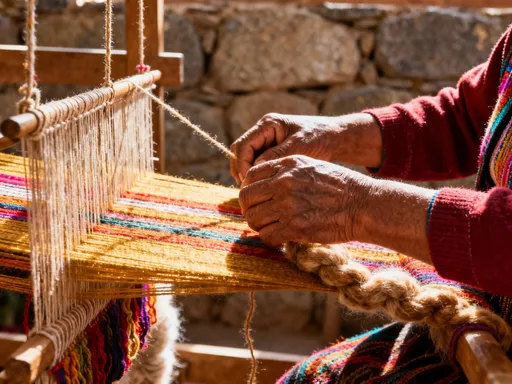
To understand the soul of Cusco, one must understand its textiles. For generations, Andean weavers have transformed raw wool into vibrant tapestries, each thread carrying meaning far beyond aesthetics. These textiles are not merely decorative; they are a language, a record of identity, and a form of resistance. In communities surrounding Cusco, women continue to practice weaving techniques passed down from their ancestors, using backstrap looms that have changed little in hundreds of years. The process is slow, deliberate, and deeply spiritual—a meditation in motion.
One of the most remarkable aspects of Andean weaving is the use of natural dyes. In cooperatives like those in the village of Chinchero, just a short drive from Cusco, artisans extract colors from plants, minerals, and even insects. Cochineal, a tiny bug that lives on cactus plants, produces a brilliant red dye that has been prized since Incan times. Indigo yields deep blues, while moss and bark create earthy greens and browns. These dyes are not only sustainable but produce hues that synthetic alternatives struggle to replicate—rich, luminous, and alive with variation.
Each pattern woven into a textile tells a story. A zigzag may represent the path of a mountain stream; a stepped diamond could symbolize the Andean cross, or *chakana*, a sacred cosmological symbol. Colors also carry meaning: red for energy and life, black for the earth and the unknown, white for purity and the spirit world. These designs are not random; they are maps of belief, expressions of connection to the land, and affirmations of cultural continuity in the face of colonization and modernization.
Supporting these weavers isn’t just about buying beautiful scarves or blankets—it’s about preserving a way of life. Many cooperatives operate on fair-trade principles, ensuring that artisans receive just compensation for their work. By choosing to purchase directly from these groups, travelers help sustain not only individual livelihoods but entire community structures. In a world where fast fashion dominates, Andean textiles stand as a powerful reminder that true value lies in time, care, and meaning.
Sip, Savor, Repeat: Cusco’s Unique Edible Specialties
Taste is one of the most intimate ways to experience a culture, and Cusco offers a culinary journey as rich as its history. Breakfast often begins with *api*, a warm, thick beverage made from purple corn, cinnamon, and cloves, traditionally served with a fluffy bread called *t’anta wawa*. Sipping api on a chilly Andean morning is more than a meal—it’s a ritual, one that connects the present to generations of Quechua families who have started their days the same way.
Another staple, *chicha morada*, is a sweet, non-alcoholic drink made by boiling purple corn with fruit and spices. It’s refreshing, slightly floral, and deeply hydrating—an ideal companion to Cusco’s high altitude. Unlike commercial sodas, chicha morada contains no artificial ingredients; its color and flavor come entirely from natural sources. Many families still make it at home, passing down recipes that vary by household and region. Drinking it in a local café or market stall isn’t just about quenching thirst—it’s about participating in a tradition that has nourished the Andean people for centuries.
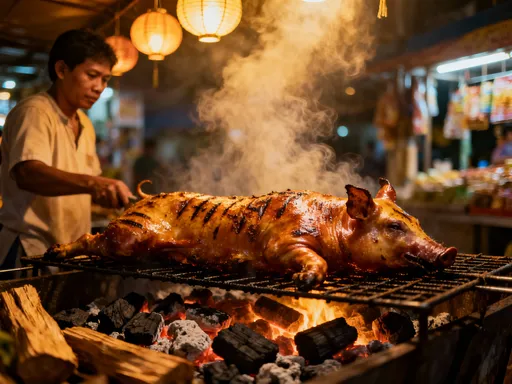
For the adventurous palate, *cuy*—guinea pig—is a must-try. Often roasted whole and served with potatoes and salsa, cuy has been a source of protein in the Andes for thousands of years. While the idea may surprise some visitors, it’s important to approach this dish with cultural respect rather than shock. In family-run restaurants, cuy is not a gimmick for tourists; it’s a cherished part of the local diet, often reserved for special occasions. Eating it is an act of honoring tradition, not spectacle.
Equally significant are Cusco’s small-batch beverages: coffee and cacao. Though Peru is not as globally renowned for coffee as Colombia or Ethiopia, the valleys around Cusco produce beans of exceptional quality. Grown at high altitudes, these beans develop complex flavor profiles—notes of chocolate, citrus, and nuttiness—thanks to the region’s unique microclimates. Similarly, Peruvian cacao, particularly from nearby regions like Satipo, is prized for its floral and fruity characteristics. Small cooperatives process the beans using traditional fermentation and drying methods, preserving both flavor and cultural integrity. Sipping a cup of locally roasted coffee or a piece of stone-ground chocolate is not just a treat—it’s a taste of the land, the labor, and the legacy behind every bean.
Craft Meets Culture: Pottery, Music, and Hidden Workshops
Beyond textiles and food, Cusco’s creative spirit thrives in its lesser-known crafts. In quiet neighborhoods and nearby villages, artisans continue to shape clay, carve wood, and build instruments using methods that predate the Spanish conquest. One such craft is pottery, particularly in the town of Chinchero and the Maras district, where potters use hand-coiling techniques to form vessels without a wheel. The clay is sourced locally, often mixed with sand or crushed pottery to improve durability, then fired in open wood-burning kilns. The resulting pieces—bowls, jars, and ceremonial vessels—bear the marks of human hands and the rhythms of tradition.
Equally captivating is the making of the *charango*, a small stringed instrument central to Andean music. Traditionally crafted from the shell of the armadillo, modern charangos are often made from wood due to conservation concerns, but the craftsmanship remains extraordinary. In workshops tucked away in Cusco’s alleyways, luthiers carve, sand, and assemble these tiny guitars with meticulous care. Each one is tuned to a bright, melodic range, perfect for accompanying folk songs that tell stories of love, land, and resistance. Hearing a charango played live—whether in a plaza, a home, or a community festival—connects the listener to a musical lineage that spans centuries.
These crafts are not static relics; they evolve with the times. Some potters incorporate contemporary designs while maintaining traditional methods, creating pieces that appeal to modern tastes without sacrificing authenticity. Musicians blend Andean instruments with global genres, producing fusion sounds that honor the past while speaking to the present. This adaptability is key to cultural survival. It ensures that traditions are not frozen in time but remain dynamic, relevant, and lived.
Visiting these hidden workshops offers a rare glimpse into the quiet dedication behind Cusco’s artistry. Unlike the polished storefronts in the tourist center, these spaces are often humble—dusty, unassuming, filled with the tools of a lifetime. But they are also sacred, in their own way. Here, craft is not a performance; it’s a practice, a vocation, a way of being. To witness it is to understand that culture is not something you consume—it’s something you do, every day, with your hands and your heart.
Where to Buy Right: Ethical Shopping Tips That Matter
With so much beauty on display, it’s natural to want to bring a piece of Cusco home. But not all souvenirs are created equal. In the bustling streets near Plaza de Armas, it’s easy to find brightly colored textiles, dream catchers, and alpaca sweaters at low prices. Yet many of these items are not made locally—they’re mass-produced in factories, sometimes thousands of miles away, and imported to meet tourist demand. While convenient, these purchases often bypass the very communities whose cultures they claim to represent.
To shop ethically, travelers must learn to distinguish authentic handmade goods from imitations. Look for signs of craftsmanship: irregular stitching, natural dye variations, and unique patterns are indicators of handwork. Mass-produced items tend to be uniform, with synthetic fibers and printed designs. When in doubt, ask questions. Artisans are usually proud to explain their process, materials, and community ties. If a vendor hesitates or cannot provide details, it may be a red flag.
The best place to buy is directly from cooperatives, community-run stores, or certified fair-trade shops. Places like the Center for Traditional Textiles of Cusco (CTTC) or the Awamaki cooperative in Ollantaytambo offer high-quality, authentic products while ensuring that profits go back to the makers. These organizations often provide training, healthcare, and educational support to artisans, creating a ripple effect of empowerment. Paying a little more for a handwoven bag or a hand-carved spoon isn’t just fair—it’s an investment in cultural preservation.
Equally important is the attitude with which we shop. Bargaining is common in markets, but it should never come at the expense of dignity. A vendor selling a scarf for $30 has likely spent days spinning, dyeing, and weaving it. Reducing that to $10 undermines not just their labor but their heritage. Instead, approach shopping as a relationship—one built on respect, appreciation, and mutual understanding. When you carry home a piece of Cusco, let it be a symbol of that connection, not just a transaction.
Beyond Souvenirs: Why Specialty Products Tell a Deeper Story
Every item made in Cusco—whether a woven belt, a jar of honey, or a hand-thrown pot—carries a story far deeper than its surface. These are not mere objects; they are vessels of memory, identity, and resilience. The woman who dyes her wool with cochineal is not just making a scarf—she is honoring her ancestors, sustaining her family, and resisting cultural erasure. The farmer who grows purple corn is not just cultivating a crop—he is stewarding land that has fed his people for millennia.
For travelers, engaging with these products is an opportunity to move beyond passive observation and become active participants in cultural continuity. When you choose to buy from a cooperative, taste a traditional dish, or listen to a charango player in the plaza, you affirm the value of these traditions. You signal that authenticity matters, that craftsmanship deserves respect, and that culture is worth preserving.
In a globalized world where homogenization threatens local identities, Cusco stands as a testament to the power of rootedness. Its specialty products are not curated for outsiders; they are lived realities, born from necessity, refined by time, and sustained by community. To appreciate them is to recognize that true travel is not about collecting sights, but about deepening understanding.
The monuments of Cusco are awe-inspiring, but they are not the whole story. The real magic lies in the quiet moments: the smell of api rising from a market stall, the feel of handwoven wool against your skin, the sound of a charango echoing through stone streets. These are the threads that connect us—not just to a place, but to the people who call it home.
Cusco’s specialty products are far more than mementos—they are voices of a culture that thrives in thread, taste, and sound. By choosing to explore and support them, travelers don’t just take something home—they become part of a story that continues to unfold.