From Anxiety to Empowerment: How Personal Growth Apps Gave Me Back Control—Without Risking My Privacy
Have you ever opened a self-improvement app and felt a quiet unease? What if my deepest thoughts leak online? I felt that too—until I found apps that truly respected my data. This isn’t just about meditation timers or habit trackers. It’s about trust. I started journaling to manage stress, pouring honest reflections into my phone each night. But when a vague privacy update made me question where those words were going, I nearly deleted everything. That moment changed how I saw technology. Because self-growth isn’t just about discipline or motivation. It’s about feeling safe enough to be real. And for me, that safety finally came when I learned to choose apps that protect privacy as fiercely as I protect my peace.
The Moment I Almost Quit Self-Growth Apps for Good
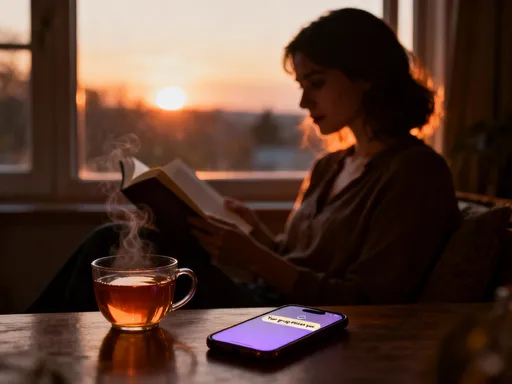
I remember sitting on my couch one evening, journal open on my phone, typing about a hard conversation I’d had with my sister earlier that day. I didn’t hold back. I wrote about how guilty I felt, how misunderstood, how tired I was of always trying to be the calm one in the family. That journal app had become my safe space—my digital confessional. I used it every night, not because I had to, but because it helped me breathe a little easier after long days of juggling work, kids, and aging parents.
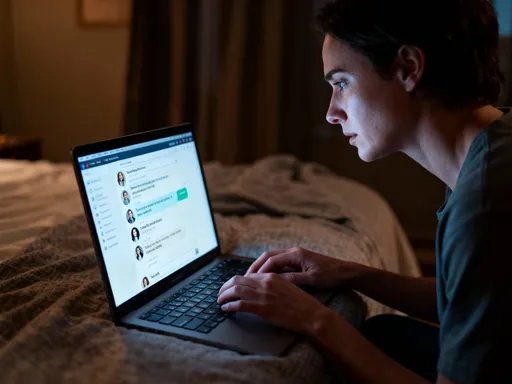
Then one morning, a notification popped up: “Privacy Policy Updated.” I almost ignored it, like most of us do. But something made me tap it. The language was broad, full of terms like “data sharing with trusted partners” and “improving user experience through third-party services.” My stomach dropped. Wait—did that mean someone else could read what I’d written? Could my private reflections about family tensions, my fears about money, or my frustration with my own mood swings be used in ads? Could they be stored on servers I couldn’t access or control?
I felt exposed. Not hacked, not attacked—but betrayed. I hadn’t signed up for a conversation with the world. I’d signed up for a tool to help me cope. That night, I sat with my finger hovering over the delete button. I almost erased months of journal entries, my mood logs, even my gratitude lists. It wasn’t just data I was about to lose. It was progress. But the fear of being seen—really seen—by the wrong people was stronger than the value I thought I was gaining. That was the moment I realized: if a tool meant to help me grow could make me feel this unsafe, then it wasn’t helping at all.
Why Data Privacy Isn’t Just Technical—It’s Emotional
We talk about data privacy like it’s a tech issue, like choosing between two phone cases or updating a password. But for women like us—mothers, caregivers, women rebuilding confidence after life changes—our personal data is emotional. When I log that I cried three times this week, or that I snapped at my child over spilled cereal, I’m not just tracking moods. I’m being vulnerable. I’m doing the quiet, brave work of facing myself. And when an app handles that information carelessly, it doesn’t just risk a data breach. It risks my willingness to be honest next time.
Think about it: would you share your deepest worries with a friend who then repeated them at a party? Of course not. Yet that’s what some apps do—collect our innermost thoughts and quietly pass them to advertisers or analytics companies. And even if nothing bad happens, the doubt lingers. You start second-guessing what you write. You soften your words. You skip logging the hard days. And slowly, the tool becomes less useful, not because it’s broken, but because you’re holding back.
True personal growth needs psychological safety. It needs space where you can say, “I’m not okay,” without fear. That’s why privacy isn’t just a checkbox on a settings page. It’s the foundation of trust. Without it, every journal entry feels like a risk. Every mood log feels like a performance. And growth? Growth stalls because you’re not showing up as yourself. I learned that the hard way. But once I understood this connection—between emotional honesty and data safety—everything changed. I stopped looking for the flashiest app and started looking for the one that treated my words like they mattered.
What I Looked for in a Trustworthy App
After that panic moment, I didn’t just download another app and hope for the best. I got intentional. I made a simple list of what I needed—not features like fancy charts or AI coaching, but real, tangible signs that an app would protect my privacy. The first thing I looked for was local data storage. That means my journal entries stay on my phone, not uploaded to some cloud server I’ve never seen. If the app doesn’t need the internet to work, that’s a good sign. My thoughts aren’t bouncing around the web; they’re right where I put them.
Next, I checked for end-to-end encryption. I know that sounds technical, but it’s like sealing a letter in an envelope that only I have the key to open. Even if the data travels somewhere, it’s unreadable to anyone else. I also read the privacy policy—yes, all of it—and looked for clear language. No vague promises. No “we may share data with partners.” I wanted to see words like “we do not sell your data” and “no third-party tracking.” And I paid attention to permissions. Why does a gratitude journal need access to my contacts or location? It doesn’t. If an app asks for more than it needs, that’s a red flag.
I also looked at who made the app. Was it a big tech company with a history of data scandals? Or a smaller developer focused on mental wellness? I found that apps built by psychologists, therapists, or people with lived experience in mental health tended to take privacy more seriously. They understood that trust isn’t earned with cool features—it’s earned by respecting boundaries. Over time, I built a mental checklist. If an app passed these tests, I gave it a try. If it didn’t, I moved on. And that simple filter changed everything. I wasn’t just using apps anymore. I was choosing tools that honored my dignity.
The Apps That Actually Kept Their Promises
Not every app is the same, and I’ll be honest—some still make me nervous. But I found a few that stood out, not because they were perfect, but because they showed they cared. One journaling app I use now processes everything on my device. That means when I write about feeling overwhelmed or write a letter to my younger self, the words never leave my phone unless I choose to back them up. Even then, the backup is encrypted. No servers. No data mining. Just me and my thoughts.
Another app I rely on for mood tracking lets me sync across devices, but only if I enable encryption. I have to set a password that even the developers don’t know. If I forget it, I lose access—no recovery, no loophole. That sounds extreme, but it’s reassuring. It means no one can force their way in, not hackers, not the company, not anyone. I also found a meditation app that doesn’t collect any personal data at all. No account needed. No email. Just download, open, and breathe. It’s like a quiet room in a noisy house—simple, safe, and exactly what I need.
What made the difference wasn’t fancy AI or social sharing. It was the quiet confidence that came from knowing I was in control. And that confidence didn’t just make me feel safer—it made me more consistent. I didn’t skip journaling because I was afraid. I didn’t avoid logging a bad mood because I worried it would be used against me. I showed up, day after day, because I trusted the tool. And over time, that consistency led to real change. I noticed patterns in my emotions. I saw progress in my habits. I felt calmer, more centered, more like myself. The app didn’t fix me. But it gave me space to do the work—without fear.
How I Use These Apps Without Losing Myself
With these better tools, I rebuilt my routine. Every morning, before the kids wake up, I spend ten minutes checking in with myself. How do I feel? What do I need today? I log it in my app, not as a chore, but as a promise. At night, I write three things I’m grateful for—sometimes small, like “the smell of coffee” or “my daughter’s laugh”—but they anchor me. Once a week, I look back at my entries and reflect. Not to judge, but to understand. And because I know my data is safe, I’m honest. I write about the days I felt like a failure. I admit when I’m jealous or impatient or scared. And that honesty? That’s where the healing happens.
It wasn’t overnight. Some weeks, I forgot. Some days, I was too tired. But slowly, a rhythm formed. And with it came a deeper self-awareness. I started noticing triggers—like how grocery shopping on an empty stomach made me irritable, or how skipping sleep turned small problems into big ones. I wasn’t just tracking data. I was learning myself. And because the app protected my privacy, I didn’t feel watched. I felt witnessed—in the best way. Like someone was holding space for me, without judgment.
This isn’t about becoming perfect. It’s about becoming real. And for women in our 30s, 40s, and 50s—women who’ve spent years putting others first—being real can feel radical. We’ve been the caregivers, the organizers, the peacekeepers. But now? Now I’m learning to care for myself too. And these apps, the ones that respect my privacy, have become quiet allies in that journey. They don’t shout. They don’t demand. They just sit there, ready when I am, holding my truth like it’s sacred. And in a world that often feels loud and demanding, that kind of quiet support is priceless.
Simple Habits That Boost Both Growth and Security
You don’t need to be a tech expert to protect yourself. I’m not. I just adopted a few small habits that made a big difference. First, I started reviewing app permissions every few months. I go into my phone settings and ask: does this journal app really need access to my photos? Does my meditation app need my location? If not, I turn it off. It takes five minutes, but it gives me peace of mind.
I also started using strong, unique passwords for apps that store personal data. I know it’s tempting to reuse the same password, but it’s risky. Now I use a password manager—it’s like a locked box for all my passwords, protected by one master key. I set it up once, and now I don’t have to remember anything. And for apps that offer it, I turned on two-factor authentication. It’s an extra step, but it means even if someone gets my password, they can’t get in without my phone.
I also pay attention to app updates. Not just for new features, but for changes in privacy policies. If an app suddenly starts asking for more data, I question it. And I’m not afraid to delete and find a better option. I’ve also started looking for privacy labels—those little summaries in app stores that tell you what data an app collects. If it says “tracks you,” I skip it. If it says “does not collect data,” I pay attention. These habits don’t take much time, but they’ve given me back a sense of control. And that control? It’s made me bolder in my personal growth. I’m not just surviving. I’m learning, healing, becoming.
Reclaiming Growth—On Your Own Terms
Personal growth should empower you, not expose you. That’s the lesson I carry now. My journey with these apps wasn’t just about building better habits. It was about reclaiming my right to grow in peace. I don’t have to choose between self-improvement and privacy. I can have both. And when I do, the work goes deeper. I’m not just tracking moods—I’m understanding them. I’m not just writing gratitude lists—I’m feeling gratitude. I’m not just using an app. I’m honoring myself.
For so long, I thought growth meant pushing harder, doing more, being stronger. But now I see it differently. Growth means creating safety—emotional, mental, digital—so I can show up as I am. It means choosing tools that respect my boundaries, not just my goals. It means trusting myself enough to be honest, and trusting my technology enough to keep that honesty safe.
If you’ve ever hesitated to open a journal app, if you’ve ever deleted a note out of fear, if you’ve ever wondered whether it’s worth the risk—know this: you’re not alone. And you don’t have to accept apps that make you feel uneasy. There are better options. There are tools that protect your privacy as fiercely as you protect your heart. And when you find them, something shifts. You write more freely. You reflect more deeply. You grow more fully. Because real transformation doesn’t happen in the spotlight. It happens in the quiet, safe spaces—where you can finally breathe, be honest, and become who you’re meant to be. That’s the power of growth with privacy. And it’s yours for the taking.